Making sense of the Jargon
Make an EnquiryMaking Sense of the Jargon
If you’ve found yourself in meetings about your child’s education feeling like everyone’s speaking a different language, you’re not alone. Alternative provision comes loaded with acronyms and jargon that can make parents feel shut out of crucial conversations.
The thing is, this jargon isn’t just confusing – it matters. When someone mentions your child needs “SEMH support” or talks about “managed moves,” they’re discussing real options that could transform your child’s education. Getting familiar with these terms puts you back in the driver’s seat.
The Paperwork That Actually Counts
Let’s start with EHCPs – Education, Health and Care Plans. These aren’t just another form to fill out. They’re legal documents that force schools and councils to deliver specific support for your child. Think of them as a contract that follows your child wherever they go.
We see plenty of young people arrive at Tubers with EHCPs that previous schools largely ignored. The difference is that these plans actually get implemented when everyone understands what they mean and how they work.
When “Behaviour” Isn’t Really Behaviour
Here’s what drives us mad: how often SEMH (Social, Emotional and Mental Health) needs get written off as “bad behaviour.” Your child isn’t being difficult for the sake of it. Anxiety, trauma, or simply being overwhelmed can all show up as disruption or defiance.
We’ve watched kids who were labelled as “trouble” completely transform when they found their voice through game design or music production. That student building complex worlds in Unreal Engine? They’re not avoiding work – they’re communicating in ways that actually make sense to them.

Contact our head of engagement directly using the form below.
The Good, Bad and Ugly of School Moves
Not every school crisis has to end with permanent exclusion. Managed moves can work brilliantly when done properly – planned transitions with everyone on board, giving your child a fresh start with proper support.
But watch out for off-rolling. That’s when schools quietly encourage families to “find somewhere better suited” – essentially pushing out pupils to protect their own statistics. It’s happening more than schools admit, and it leaves vulnerable kids without the education they’re entitled to.
What Therapeutic Education Actually Looks Like
Therapeutic education sounds fancy, but it’s really about recognising something obvious: kids can’t learn when they’re stressed, scared, or carrying baggage from bad school experiences.
Instead of separating “learning time” from “feelings time,” therapeutic approaches weave emotional support into everything. At Tubers, this happens naturally through creative work. Collaborative projects build social skills. Individual digital art gives space for processing emotions. It’s therapy and education rolled into one.
Why This Matters
Knowing these terms changes everything. When professionals start throwing around acronyms, you’ll know what they’re actually talking about. When decisions get made about your child’s future, you’ll be equipped to ask the right questions and push for what they need.
Alternative provision done right isn’t about warehousing problem kids. It’s about recognising that some young people need different approaches to flourish. Your child isn’t broken – they just need an education system that works with their strengths instead of against them.
Key Terms Glossary – Making Jargon easy!
Alternative Provision (AP): Educational settings outside mainstream schools that provide education for children who cannot attend regular school for various reasons, including exclusions, medical needs, or other circumstances.
Education, Health and Care Plan (EHCP): A legally binding document that outlines a young person’s individual needs and the specific support they require across education, health, and social care areas.
Managed Move: A planned transfer of a pupil to another school with the support and agreement of all parties involved, designed as an alternative to permanent exclusion.
Off-Rolling: The controversial practice where schools remove pupils from their rolls for the school’s benefit rather than the pupil’s, often leaving vulnerable young people without appropriate education.
SEMH (Social, Emotional and Mental Health): One of the four main categories of special educational need, covering difficulties with emotional regulation, social interaction, and mental health that impact learning.
SEND (Special Educational Needs and Disabilities): The legal framework covering all forms of additional support needs in education, including learning difficulties, disabilities, and other barriers to learning.
Therapeutic Education: An approach that integrates therapeutic principles with learning, recognising that emotional wellbeing and academic progress are interconnected and addressing both simultaneously.
Annual Review: The yearly meeting where your child’s EHCP gets reviewed and updated. Everyone involved in your child’s support should attend, and it’s your chance to discuss what’s working and what needs changing.
DfE (Department for Education): The government department that sets education policy and regulations. When new rules about SEND or alternative provision come out, they’re usually from the DfE.
EHCP Assessment: The formal process of getting an Education, Health and Care Plan for your child. It involves gathering evidence from various professionals and can take up to 20 weeks (though often takes longer).
FTE (Fixed Term Exclusion): A temporary exclusion from school, usually lasting a few days. Multiple FTEs often signal that a child needs different support or a different educational setting.
LA (Local Authority): Your local council, which has legal responsibilities for ensuring children in their area get appropriate education and SEND support. They’re often the ones commissioning alternative provision places.
LAC (Looked After Children): Children in care or who have been in care. They’re often over-represented in alternative provision and have additional legal protections around their education.
Ofsted: The government body that inspects schools and alternative provision settings. Their reports can tell you a lot about the quality of education your child might receive.
PEX (Permanent Exclusion): When a school permanently removes a pupil from their roll. The school must arrange alternative education, and you have the right to appeal the decision.
PRU (Pupil Referral Unit): Traditional alternative provision settings run by local authorities. They’re often the first option offered when children can’t attend mainstream school.
SEN (Special Educational Needs): The older term for additional support needs in education, now officially called SEND but still widely used in conversations and some documentation.
SENDCo (Special Educational Needs and Disabilities Coordinator): The person in a school responsible for coordinating SEND support. They should be your main point of contact for discussing your child’s needs.
Statutory Assessment: The formal legal process where a local authority decides whether a child needs an EHCP. It’s called “statutory” because the LA has a legal duty to complete it within set timescales.
Why digital media skills matter for children with special needs
Encouraging Self-Expression and Creativity
For children who may struggle to express themselves verbally, digital media provides a new outlet. Tools like video production, digital art, and animation allow children to convey their ideas and emotions visually, often unlocking creativity that may otherwise go unnoticed. Platforms like Procreate or video editing programs such as Final Cut Pro provide endless opportunities for storytelling and innovation.
Developing Focus and Problem-Solving Skills
Children with ADHD or PDA often face challenges with concentration and impulse control. Engaging in digital media projects provides a structured, goal-oriented activity that channels their energy into productive outlets. Learning to edit videos or create digital animations encourages problem-solving and task management, skills that translate into other areas of their lives.
Building Confidence and Independence
Mastering digital tools empowers children to see themselves as creators. Whether it’s completing an animated short film, designing a digital landscape, or producing a podcast, these achievements build self-esteem and a sense of accomplishment. For children with autism, who may face social challenges, these independent successes can be deeply rewarding.
Enhancing Social and Emotional Skills
Collaboration is often a key part of digital media projects. At Tubers Academy, children work in groups to brainstorm, plan, and execute their ideas. This fosters communication, teamwork, and empathy—critical social skills that children with autism or PDA may find more difficult to develop in traditional settings.
Introducting ‘Progress Maps’
by Tubers Academy


How Tubers Academy supports children with additional needs
Tailored Learning Approaches
We understand that every child learns differently, especially those with autism, ADHD, or PDA. Our programs are highly flexible, offering 1:1 support and personalized learning plans that adapt to each child’s strengths, interests, and challenges.
Structured and Gamified Programs
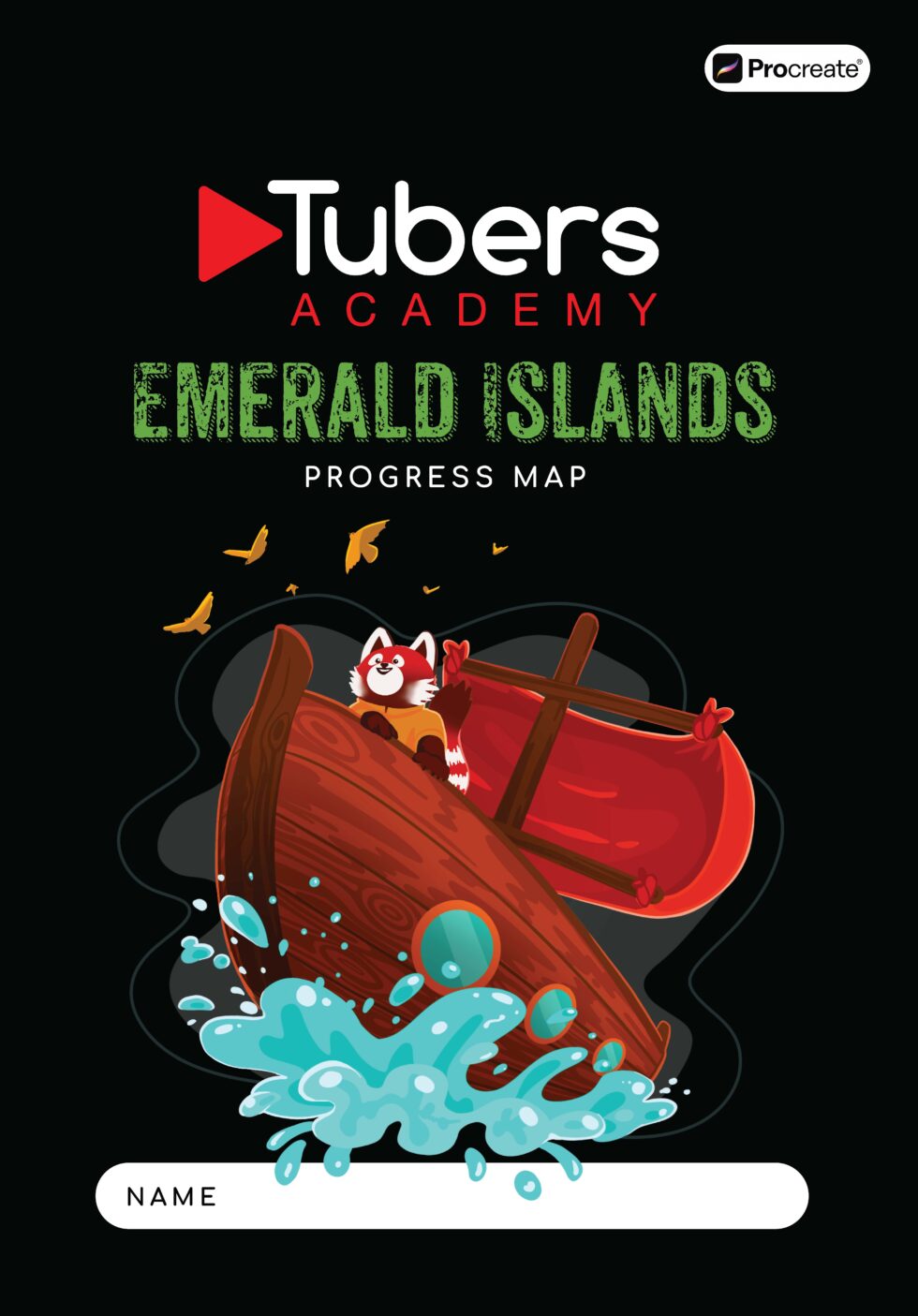
Our courses, such as the gamified “Emerald Islands” digital art program or the “VFX Galaxy” video production course, are designed to make learning fun and engaging. By using printed progress maps, interactive video tutorials, and clear milestones, we provide a structured yet flexible environment where children feel motivated and secure.
Professional-Grade Tools and Facilities
All our centers are equipped with top-of-the-line Apple Macs, iPads, and video production tools. This ensures children are learning on industry-standard equipment, giving them a head start in digital media.
Emotional and Social Support
Our staff are trained to provide not only technical guidance but also emotional and social support. Creating a safe, welcoming environment is our top priority, ensuring every child feels valued and empowered to succeed
Real-World Applications
Learning digital media isn’t just a fun activity; it has real-world implications. Many of our students have gone on to use their skills in school projects, community initiatives, and even professional settings. For children with special needs, the ability to contribute and excel in a digital medium provides both validation and purpose.
Additionally, these skills often open doors to future career opportunities. The creative and tech industries are growing rapidly, and the early mastery of tools like Procreate, Final Cut Pro, or Unreal Engine equips children for roles in design, animation, game development, and more.
Building the future together
At Tubers Academy, we see firsthand the transformative power of teaching digital media skills to children with autism, ADHD, and PDA. By providing tailored, supportive learning experiences, we help unlock potential, nurture creativity, and prepare young learners for a world full of digital opportunities.
Ready to help your child embark on a journey of creativity and growth? Visit [Tubers Academy website] to learn more about our programs. Together, we can empower every child to find their voice in the digital world.